
Skincare basics
Skincare for Beginners: Build a Simple Routine
3 min read

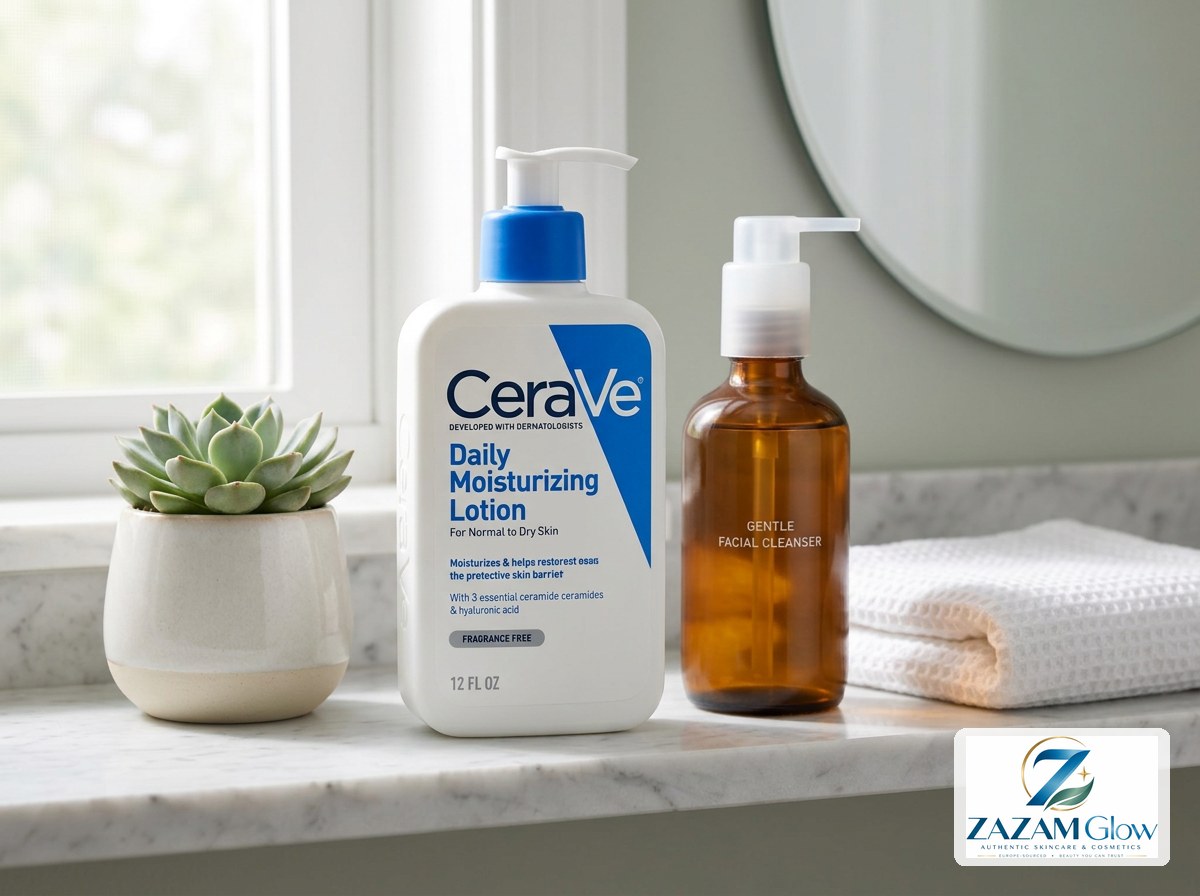
Lifestyle photo — illustrative only, not a treatment result.
Starting a skincare routine can feel overwhelming. Shop shelves are full of serums, scrubs, masks and toners, all promising something different. The good news is that you do not need all of them. A calm, simple routine built on three foundations is a very good place to begin.
Those three foundations are cleansing, moisturising and daytime sun protection. Once they feel natural, you can decide whether anything else is worth adding.
Step one: cleansing
Cleansing removes sweat, dirt, excess oil and anything you applied during the day. Use lukewarm water rather than hot, apply the cleanser gently with your fingertips and pat your face dry with a clean towel instead of rubbing.
Choose a cleanser that suits how your skin usually feels. A foaming cleanser, such as the CeraVe Foaming Facial Cleanser, is generally better suited to normal-to-oily skin. If your skin often feels tight or dry after washing, a gentler, non-foaming option may be more comfortable.
Step two: moisturising
A moisturiser helps your skin hold on to water and feel comfortable. It is useful for every skin type, including oily skin. The difference is texture. Lighter lotions often suit normal, combination or oily skin, while richer creams tend to be more comfortable on dry skin.
For example, someone with combination skin might prefer a light lotion like CeraVe Daily Moisturizing Lotion, while someone whose skin feels rough and dry might reach for a thicker cream such as Cetaphil Moisturizing Cream. You only need one moisturiser that feels right for you.
Step three: daytime sun protection
Sun exposure affects every skin tone, including deeper skin tones. For daytime, dermatologists recommend a broad-spectrum sunscreen of SPF 30 or higher, applied generously to exposed skin and reapplied when you are outdoors for long periods, sweating or swimming. Shade, hats and covering clothing help too.
Moisturisers and vitamin C products are not substitutes for sunscreen, unless a product is specifically labelled and tested as a broad-spectrum SPF. Zazam Glow does not currently stock sunscreen, so please buy one from a trusted local seller.
A simple morning and evening routine
Here is one easy way to put the steps together:
- Morning: cleanse (or simply rinse with water if your skin is dry), moisturise, then apply broad-spectrum SPF 30+ sunscreen.
- Evening: cleanse to remove the day's sweat and dirt, then moisturise.
Why serums and scrubs can wait
Serums and scrubs can be useful for particular goals, but they are optional, not essential first purchases. Scrubs in particular can irritate skin if used too often. Get the basics right first, and add extras only when you have a clear reason.
Go slowly and listen to your skin
Introduce one new product at a time and give it a few weeks before adding another. That way, if your skin reacts, you will know which product caused it. Before using something new on your face, you can test a small amount on a small patch of skin first. If you notice stinging, redness, itching or a rash, stop using the product. If a skin concern is painful, persistent or getting worse, speak with a pharmacist or doctor.
Explore relevant products
Choose based on your own skin. You don't need every product listed here.
CeraVe
Foaming Facial Cleanser
A foaming cleanser that is generally better suited to normal-to-oily skin, not all skin types.
CeraVe
Daily Moisturizing Lotion
A lightweight, fragrance-free lotion for people who prefer a lighter feel.
Cetaphil
Moisturizing Cream
A richer cream that may feel more comfortable if your skin tends to be dry.
Sources
- American Academy of Dermatology — Face washing 101
- American Academy of Dermatology — How to select a sunscreen
- NHS — Sunscreen and sun safety
- American Academy of Dermatology — How to test skin care products
General information only, not medical advice. Results vary from person to person. For painful, persistent or worsening skin problems, speak with a pharmacist or doctor.