
Skincare basics
Body Lotion, Cream, Butter or Ointment: What’s the Difference?
2 min read
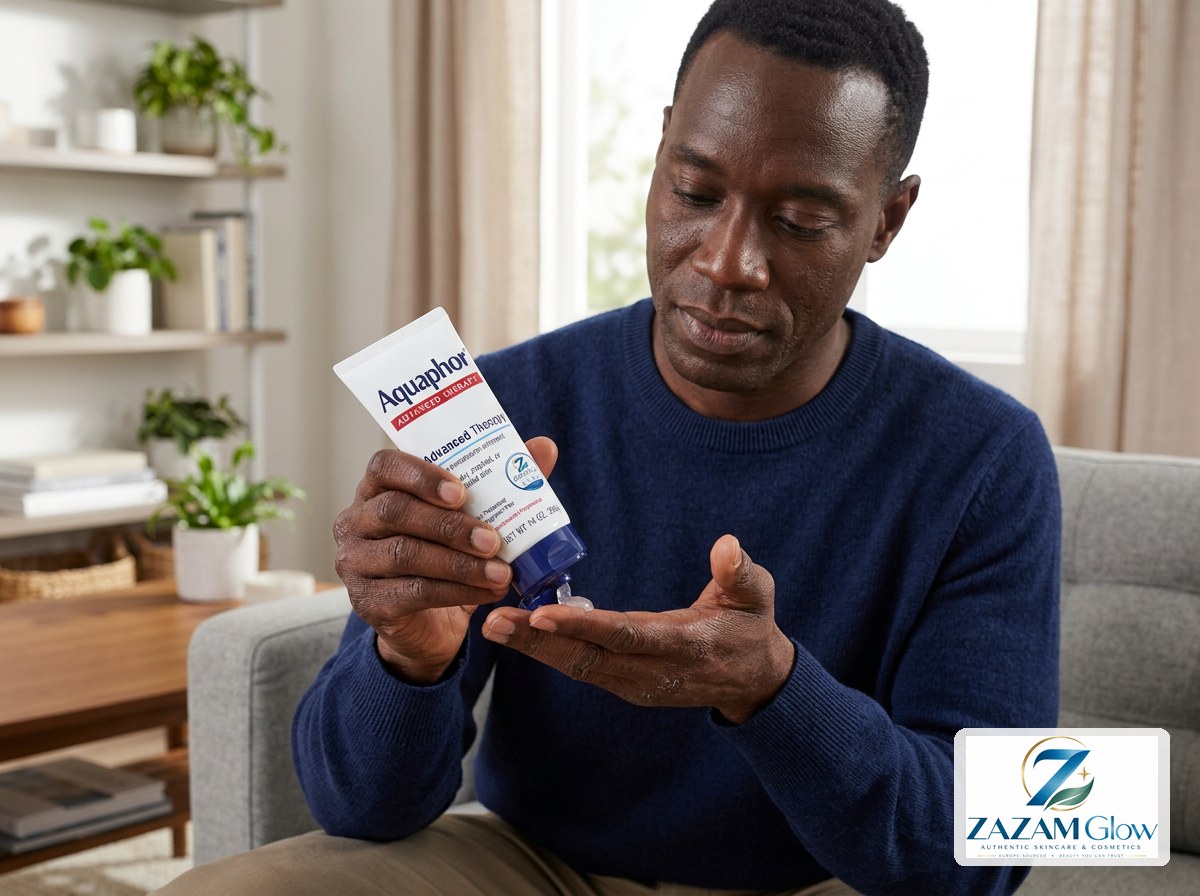
Lifestyle photo — illustrative only, not a treatment result.
Walk down any body-care aisle and you will see lotions, creams, butters and ointments. They can look similar, but they feel very different on the skin and suit different moments. Understanding the difference helps you choose what your body actually needs.
Lotions: light and quick
Lotions contain more water, so they feel light, spread easily over large areas and absorb quickly. They are handy for everyday, all-over moisture, especially in warm, humid weather. Our NIVEA lotions, such as the NIVEA Shea Nourish Lotion or the NIVEA Essentially Enriched Lotion, are examples of this format.
Creams: richer comfort
Creams are thicker than lotions, with a higher proportion of oils. They usually feel more nourishing and stay on the skin longer, which can suit dry skin or cooler, air-conditioned environments. Cetaphil Moisturizing Cream is a rich cream intended for both face and body.
Butters: dense and nourishing
Body butters are usually based on plant butters such as shea or cocoa. They feel dense and can be very comforting on dry areas like elbows, knees and heels. A little goes a long way, and they may feel heavy in hot weather.
Ointments: the richest seal
Ointments contain little or no water. They are greasy and form a protective layer that helps reduce water loss. That makes them useful for targeted care on very dry, rough patches such as cracked heels, knuckles or lips, rather than all-over use. Aquaphor Advanced Therapy Ointment is an example. Ointments are moisturisers; they are not a treatment for infections, and broken, weeping or painful skin should be checked by a health professional.
Everyday examples
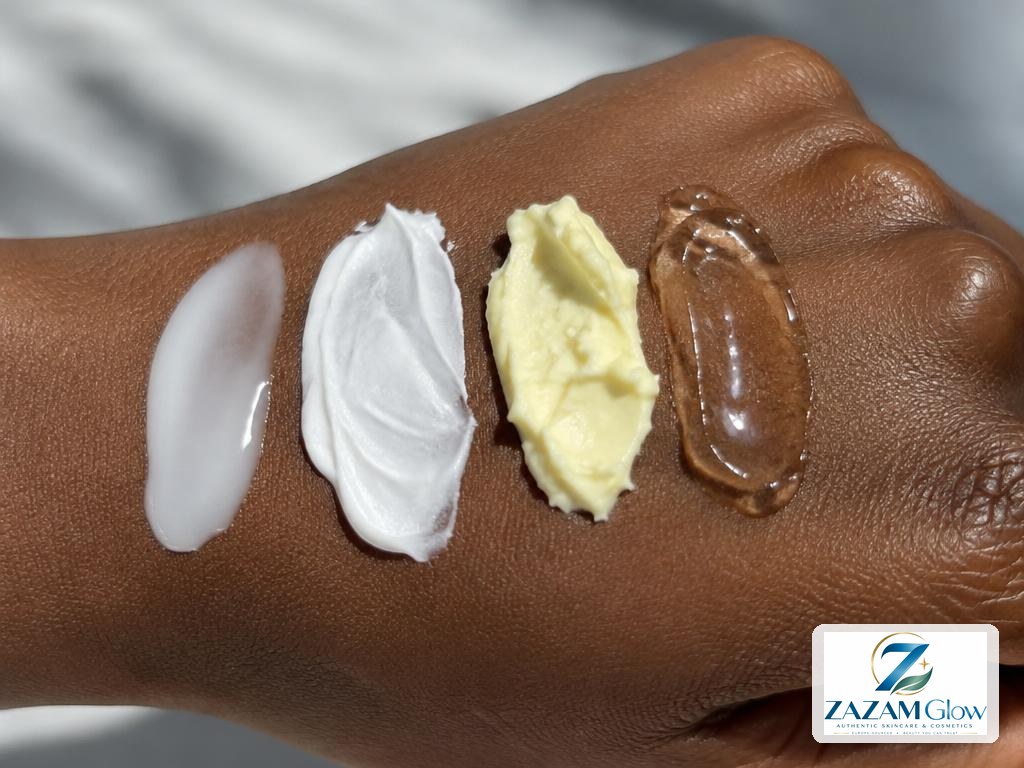
One way to think about it:
- All-over daily moisture: a lotion after your shower.
- Richer care for dry skin: a cream or butter, especially in the evening.
- Targeted care for dry patches: a thin layer of ointment on the affected area.
The formula matters more than the name
There is no fixed rule for what a brand can call a lotion or a cream. Two creams can feel completely different. Read the full label, including ingredients, fragrance and directions, rather than relying on the product name. Applying moisturiser to slightly damp skin, straight after bathing, helps lock in water.
Body products are not always face products
Facial skin is often more delicate, and some body products contain fragrance or rich ingredients that can feel heavy or irritating on the face. Only use a body product on your face if its label says it is suitable. Patch-test anything new, and stop if you notice stinging, redness or a rash. If dryness is persistent, very itchy or painful, speak with a pharmacist or doctor.
Explore relevant products
Choose based on your own skin. You don't need every product listed here.
NIVEA
Shea Nourish Lotion
A shea-butter body lotion for everyday, all-over moisture.
Cetaphil
Moisturizing Cream
A richer cream that may suit dry skin on the face and body.
Aquaphor
Advanced Therapy Ointment
A thick protective ointment for targeted care on very dry areas.
Sources
- NHS — Emollients
- American Academy of Dermatology — Dry skin: diagnosis and treatment
- American Academy of Dermatology — Dermatologists' tips to relieve dry skin
General information only, not medical advice. Results vary from person to person. For painful, persistent or worsening skin problems, speak with a pharmacist or doctor.